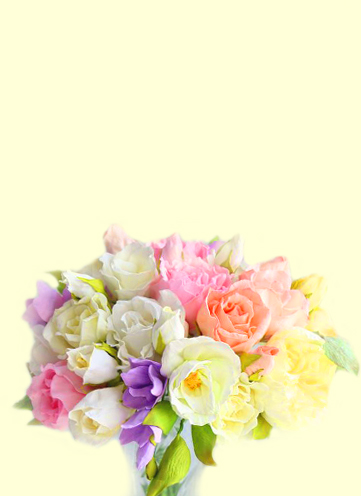
Wedding flowers for Harrow on the Hill ceremonies
Posted on 29/05/2026
Planning Wedding flowers for Harrow on the Hill ceremonies is one of those details that looks simple from the outside and then, suddenly, becomes the thing holding the whole day together. The bouquet, the buttonholes, the ceremony flowers, the table pieces, the colours that show up in photos years later, all of it matters. And if your ceremony is taking place in Harrow on the Hill, there is an extra layer to think about: the setting, the movement of guests, the pace of the day, and the kind of floral styling that feels elegant without trying too hard.
In this guide, you will find a practical, local-minded approach to choosing wedding flowers for a ceremony in Harrow on the Hill. We will cover style, seasonality, timing, delivery, common mistakes, and how to keep the flowers looking polished from the first walk down the aisle to the last photo after the vows. Truth be told, the best wedding flowers are rarely the loudest ones. They are the ones that quietly support the whole atmosphere.
If you are still in the early planning stage, it can help to browse a dedicated wedding flowers collection for North Harrow and HA1 alongside broader inspiration such as the wedding range and bridal bouquets. That gives you a feel for style before you start narrowing down the exact arrangement.
Table of Contents
- Why Wedding flowers for Harrow on the Hill ceremonies Matters
- How Wedding flowers for Harrow on the Hill ceremonies Works
- Key Benefits and Practical Advantages
- Who This Is For and When It Makes Sense
- Step-by-Step Guidance
- Expert Tips for Better Results
- Common Mistakes to Avoid
- Tools, Resources and Recommendations
- Law, Compliance, Standards, or Best Practice
- Options, Methods, or Comparison Table
- Case Study or Real-World Example
- Practical Checklist
- Conclusion
- Frequently Asked Questions
Why Wedding flowers for Harrow on the Hill ceremonies Matters
Wedding flowers are not just decoration. They frame the ceremony, soften the room, and help create the emotional tone of the day. For Harrow on the Hill ceremonies especially, flowers often have to do more than look beautiful. They need to work in a setting that may feel historic, intimate, formal, or slightly compact, depending on the venue and layout.
That means the right floral choices can make a modest space feel intentional, while the wrong ones can make it feel busy or cluttered. A full, heavy arrangement may overwhelm a narrow aisle. A very small bouquet may disappear in a grand setting. This is where local knowledge really helps, because wedding flowers are always partly about design and partly about proportion.
There is also the emotional side. Guests remember the look of the aisle. The couple remembers how the bouquet felt in the hand. Parents remember the buttonholes and corsages. And later, when the photos are out on the table at home, the flowers often become the detail that instantly brings the day back. That is why it is worth treating flowers as part of the experience, not the last-minute add-on.
In practical terms, the right florist can help you balance style, budget, and timing. A local service such as florist North Harrow can also make coordination easier if you need a more hands-on approach rather than ordering everything in one rush the week before.
How Wedding flowers for Harrow on the Hill ceremonies Works
The process usually starts with your ceremony format. A registry-style event, a church ceremony, a civil celebration, or a larger wedding breakfast all need slightly different floral planning. Once the setting is clear, you can decide what the flowers need to do: lead the eye, fill space, highlight the couple, or simply add softness and colour.
Most couples then work through four basic layers:
- Personal flowers - bridal bouquet, bridesmaid bouquets, buttonholes, corsages, and sometimes flower girl pieces.
- Ceremony flowers - aisle arrangements, pedestal designs, altar or registrar table flowers, and entrance pieces.
- Reception flowers - table arrangements, top table flowers, cake flowers, and welcome arrangements.
- Practical support - delivery, set-up timing, care instructions, and whether the florist needs to liaise with the venue.
The most efficient flower plans are usually the ones that reuse flowers thoughtfully. For example, ceremony pedestal arrangements can sometimes be moved to the reception, or bridesmaid bouquets can complement rather than compete with the bridal bouquet. This is a simple idea, but it saves money and keeps the visual story coherent.
If you are using fresh stems, delivery timing matters. A well-managed flower delivery service keeps the flowers fresh and reduces stress on the morning of the wedding. When the schedule is tighter, options such as next day flower delivery or, in urgent situations, same day flower delivery can help, although wedding flowers are obviously best planned well in advance.
Key Benefits and Practical Advantages
Good wedding flowers do more than fill a room. They create structure, rhythm, and consistency. If you are weighing up how much effort to put into them, these are the practical benefits that tend to matter most:
- They unify the look of the day. Flowers can bring together dresses, stationery, linen, candles, and venue styling.
- They improve photography. A well-placed bouquet or centrepiece gives the camera something beautiful to hold onto.
- They work across different scales. You can keep things minimal or go fully layered without losing elegance.
- They help define the mood. White and green can feel calm and classic; blush and ivory can feel romantic; richer tones can feel dramatic and luxurious.
- They can be repurposed. Ceremony flowers can often move to reception spaces, which is useful for budget control.
There is also a simple but overlooked benefit: flowers help a ceremony feel finished. Many wedding spaces look almost complete before the flowers arrive, but not quite. Once the floral pieces are in place, the whole event starts to feel lived in and personal. Small thing, big difference.
For couples who want a polished, cohesive look, a wedding collection can be a very practical route. A coordinated range such as the wedding collections or dedicated items like bridesmaid bouquets and buttonholes helps keep the design language consistent without forcing everything to match exactly.
Who This Is For and When It Makes Sense
This topic is for couples, families, planners, and anyone helping to organise a ceremony in Harrow on the Hill. It is especially useful if you are:
- planning a small but elegant local ceremony
- booking a venue with limited space or specific styling rules
- trying to match flowers to a church, registry venue, or historic setting
- working with a realistic budget and want every item to earn its place
- needing personal flowers and ceremony flowers to feel coordinated
- ordering on a tighter timeline and need delivery confidence
It makes the most sense to plan early if your wedding falls in peak season, but it is still possible to create a strong result if your timeline is shorter. You just need to be more decisive. That is the honest version. If you know your colour palette and your ceremony layout, the rest becomes a lot easier.
Sometimes couples think they need to choose flowers purely by trend. They do not. A classic white bouquet, a soft pink arrangement, or mixed seasonal stems can be far more effective than chasing what is popular this month. The best choice is the one that suits the room, the dress, and the people in it.
Step-by-Step Guidance
Here is a practical way to plan wedding flowers without letting the decisions spiral.
- Confirm the ceremony format. Is it intimate, formal, traditional, or contemporary? The answer shapes everything else.
- Choose your colour direction. Start broad: white and green, blush and ivory, soft pastels, or richer romantic tones.
- List the floral essentials. Bridal bouquet, bridesmaid bouquets, buttonholes, ceremony focal flowers, and table arrangements.
- Decide what should be the hero. For some weddings, that is the bridal bouquet. For others, it is the altar flowers or a dramatic entrance piece.
- Match scale to venue. A small ceremony space usually benefits from refined, proportionate arrangements rather than oversized designs.
- Check delivery and set-up timing. Flowers need to arrive when someone can receive them properly. This sounds basic, but it catches people out all the time.
- Ask about care and holding conditions. Flowers last better when they are kept cool and out of direct sun.
- Build in a backup plan. If one stem variety is unavailable, a good florist should suggest a close alternative without breaking the overall look.
If you want to keep the process straightforward, it can help to pick a core range first and then layer in extras. A bridal bouquet from the bridal bouquet range, bridesmaid pieces from the bridesmaid bouquet selection, and finishing details like wedding corsages can create a full, elegant package without needing custom design work for every element.
Expert Tips for Better Results
Most floral mistakes are not about bad taste. They are about timing, proportion, and trying to make too many things happen at once. A few grounded tips can make a noticeable difference.
- Let the venue guide the design. If the ceremony room is already ornate, keep the flowers cleaner and more structured.
- Use one strong family of flowers. Roses, lilies, lisianthus, carnations, hydrangea, alstroemeria, or chrysanthemums can each carry a design beautifully when used well.
- Think in layers, not just colours. Texture matters. A mix of soft petals, structured blooms, and greenery feels richer than a single-note arrangement.
- Keep the bouquet comfortable. A bridal bouquet should photograph well, but it also has to sit nicely in the hand for a while. Your hand will thank you later.
- Ask for sample references. Even a mood-board style discussion helps avoid miscommunication.
- Choose flowers that suit the season. In summer, lighter designs often hold up better. In colder months, fuller blooms and deeper tones can feel more natural.
There is also a nice little trick for cohesion: echo the same bloom or accent across the bouquet, buttonholes, and table flowers. Even one repeated flower family can tie the whole day together. Not in a rigid way, just enough.
If you like richer, more luxurious styling, browsing luxury flowers can be useful. If you prefer a softer and more romantic mood, the romance and love collection is a helpful place to explore ideas.

Common Mistakes to Avoid
Here are the issues that tend to cause trouble, especially when weddings are being planned in a hurry.
- Ordering too late. Wedding flowers are better when planned with time to spare. Last-minute can work for simpler orders, but it is not ideal for a ceremony.
- Choosing flowers that fight the venue. A highly elaborate design in a very small room can feel cramped rather than celebratory.
- Ignoring delivery logistics. If nobody is available to receive the flowers, you end up with unnecessary stress.
- Overcomplicating the palette. Too many colours can make the day look less cohesive, especially in photographs.
- Forgetting the support pieces. Buttonholes, corsages, and table arrangements are easy to leave until the end, but they pull the look together.
- Skipping care instructions. A bouquet left near direct heat, a radiator, or bright sun will not thank you for it.
One of the more common wedding-day mishaps is not the flowers themselves, but the timing around them. Someone is getting ready, someone else is looking for a vase, a relative is holding a buttonhole in a paper bag, and suddenly things feel oddly chaotic. A little planning avoids all of that. Fairly simple, really.
Tools, Resources and Recommendations
You do not need a huge toolkit to plan good wedding flowers, but a few practical resources make the process smoother.
- Venue measurements or room photos so floral scale can be judged properly.
- Colour swatches or fabric samples if you want accurate coordination with dresses or table linen.
- A simple wedding schedule showing when flowers need to arrive, be placed, and be moved between spaces.
- A florist contact who is easy to reach, especially in the last week when tiny changes seem to multiply.
- Care guidance for bouquets and arrangements once they have been delivered.
It can also be sensible to review the florist's support pages before ordering, especially if you are comparing service levels. Helpful pages include about us, guarantees, flower care, and contact us. These pages do not replace a proper conversation, but they do tell you a lot about how the business handles service and expectations.
For couples who prefer a more curated approach, browsing the full all flowers range can help you spot shapes and combinations that suit the day. If you are trying to stay practical on budget, the cheap flowers North Harrow page and budget category may also be useful starting points, though wedding styling usually benefits from a careful balance of value and quality rather than bargain hunting alone.
Law, Compliance, Standards, or Best Practice
Wedding flowers are not a heavily regulated service in the way some professional sectors are, but there are still sensible standards and best practices to follow. In the UK, good practice usually means clear communication, fair terms, accurate delivery arrangements, and honest expectations about product variation. Seasonal flowers naturally vary, and any reputable florist should be transparent about that.
If a ceremony venue has specific rules, those matter too. Some venues restrict candle-adjacent arrangements, limit what can be attached to furniture, or require deliveries within a particular time window. That is not unusual. It simply means the floral plan has to be coordinated rather than assumed.
It is also wise to check terms around payment, substitutions, cancellations, and refunds before confirming an order. Support pages such as terms and conditions, returns and refund, payment, and privacy policy are the sort of pages that help set expectations clearly. If you care about ethical sourcing and wider responsibility, the sustainability and modern slavery statement pages are worth reading in plain English. That kind of transparency matters, even if it is not the first thing people think about when choosing bouquets.
Accessibility also matters when a ceremony involves guests with mobility or sensory needs. A venue layout should not make flowers an obstacle, and design choices should respect access routes. If you need it, the accessibility statement offers a useful signal of the site's approach to inclusive access.
Options, Methods, or Comparison Table
Different wedding flower approaches suit different couples. Here is a simple comparison to help with decision-making.
| Approach | Best for | Strengths | Watch-outs |
|---|---|---|---|
| Classic coordinated set | Traditional ceremonies and formal venues | Elegant, cohesive, easy to photograph | Can feel plain if colours or textures are too safe |
| Seasonal mixed design | Couples who want movement and texture | Natural look, often cost-effective, lively in photos | Needs a florist with a good eye for balance |
| Luxury statement styling | Large ceremonies or standout visual themes | High visual impact, memorable entrance and altar pieces | Can dominate small spaces if not scaled carefully |
| Minimal refined style | Intimate or modern ceremonies | Clean, chic, calm, easy to manage | Needs precision so it does not look underdone |
A very practical middle ground is often the best choice: one strong bouquet style, simple buttonholes, and a couple of ceremony pieces that do the main visual work. You do not need to fill every surface. Honestly, that can make a room feel less elegant, not more.
Case Study or Real-World Example
Imagine a small ceremony on Harrow on the Hill with a handful of guests, a short aisle, and a reception later in the day. The couple wants something romantic but not fussy. They choose a white-and-soft-pink palette, a bridal bouquet with roses and lisianthus, simple groom and usher buttonholes, and two matching ceremony arrangements that can later move to the dining tables.
The design works because it respects the setting. Nothing is too tall, nothing blocks the view, and the flowers do not compete with the venue. The bouquet stands out in the photos, the buttonholes keep the wedding party connected visually, and the reception pieces quietly extend the same look into the evening.
A small detail made the difference: the florist delivered the flowers with enough time for them to be placed and checked, rather than arriving at the last minute while everyone was already half dressed and nervous. It sounds trivial, but those twenty calm minutes matter. They really do.
For a similar approach, a couple might use stems from the white flowers and pink flowers colour collections, then finish the look with pieces from wedding table arrangements and a small wedding gift for a parent or helper. Not grand. Just thoughtful. And that is often the sweet spot.
Practical Checklist
Use this before you confirm the order:
- Have you confirmed the ceremony venue and time?
- Do you know your colour palette?
- Have you decided on bridal, bridesmaid, and buttonhole flowers?
- Do you need ceremony flowers, reception flowers, or both?
- Have you checked the venue's delivery access and set-up rules?
- Do you have a contact number for the florist on the day?
- Have you agreed any substitutions in advance?
- Are the flowers being delivered with enough time for safe placement?
- Have you reviewed care instructions for bouquets and arrangements?
- Do the flowers suit the size and style of the room?
And one more, perhaps the most underrated question: will you still love the flowers in your photos ten years from now? If the answer is yes, you are probably on the right track.
Conclusion
Wedding flowers for Harrow on the Hill ceremonies should feel graceful, well-proportioned, and personal to the day. The best floral plans do not shout. They support the ceremony, suit the space, and make the couple feel properly seen. That is the goal. A bouquet that feels right in your hand, flowers that respect the venue, and a finish that looks beautiful from every angle.
Whether you want classic white roses, romantic pinks, mixed seasonal stems, or a coordinated collection of bouquets, buttonholes, and table flowers, the key is to plan with the setting in mind and keep the logistics calm. A little preparation goes a long way, and a good florist can save you from a surprising amount of last-minute stress.
If you are ready to move from ideas to something real, browse the wedding collection, compare styles, and choose the pieces that best suit your ceremony. That first clear decision usually makes the rest of the planning feel lighter.
Get a free quote today and see how much you can save.
And if you are still deciding, that is absolutely fine. Start with the flowers that make you feel something, then build the day around that feeling. It usually works out better than trying to be perfect.
Frequently Asked Questions
What flowers work best for a Harrow on the Hill wedding ceremony?
Classic choices like roses, lilies, lisianthus, hydrangea, alstroemeria, carnations, and chrysanthemums all work well, but the best option depends on your venue size, colour scheme, and how formal the ceremony feels.
How far in advance should I book wedding flowers?
As early as you can, ideally once your venue and date are confirmed. That said, simpler floral plans can sometimes be arranged later if the florist has availability and the design is straightforward.
Can ceremony flowers be moved to the reception?
Yes, often they can. This is one of the smartest ways to get more value from your floral budget, provided the arrangements are designed to be moved safely and the timing works on the day.
How do I choose the right bouquet size?
Think about your dress shape, your height, and the scale of the venue. A very large bouquet can overpower a petite frame, while a very small one may disappear in photographs. Balance is the aim.
Do I need bridesmaid bouquets and buttonholes too?
Not always, but they usually help the wedding party feel coordinated. If the day is quite simple, just a bridal bouquet and a few buttonholes may be enough. If the styling is fuller, the additional pieces can tie everything together nicely.
What if my venue has restrictions on flowers or set-up?
Then the floral plan should adapt to those rules. Many venues have practical restrictions about access, timing, or how flowers can be displayed, so it is best to check early and share those details with the florist.
Are seasonal flowers better for weddings?
Often, yes. Seasonal flowers usually look more natural, are easier to source, and can offer better value. They also tend to feel more in tune with the time of year, which is a nice bonus.
What is the difference between a bridal bouquet and a bridesmaid bouquet?
The bridal bouquet is usually the main floral statement and may be fuller, more detailed, or more distinctive. Bridesmaid bouquets are typically smaller and simpler, designed to complement rather than compete.
How should wedding flowers be delivered on the day?
They should arrive with enough time for safe placement and a quick check before guests are seated. Clear delivery timing matters a lot, especially for local ceremonies with tight schedules.
Can I keep costs under control without making the flowers look basic?
Yes. Focus on the most visible pieces first, use a coherent colour palette, and reuse flowers where practical. A smaller number of well-chosen arrangements can look far more polished than lots of scattered extras.
What should I do if I am ordering close to the wedding date?
Keep the brief simple, choose reliable flower types, and speak to the florist about delivery availability as soon as possible. If you need a broader delivery option, pages like flower delivery North Harrow and best flower delivery North Harrow can help you understand the service range.
How do I make sure the flowers match the rest of the wedding styling?
Share your colour palette, fabric samples, venue photos, and any stationery or decor references. Matching is easier when the florist can see the whole picture, not just the bouquet brief.
What if I want something more personal or unique?
Then ask for a bespoke approach using a favourite bloom, a meaningful colour, or a design detail that reflects your story. A little personal touch goes a long way, and it does not need to be over the top to feel special.